
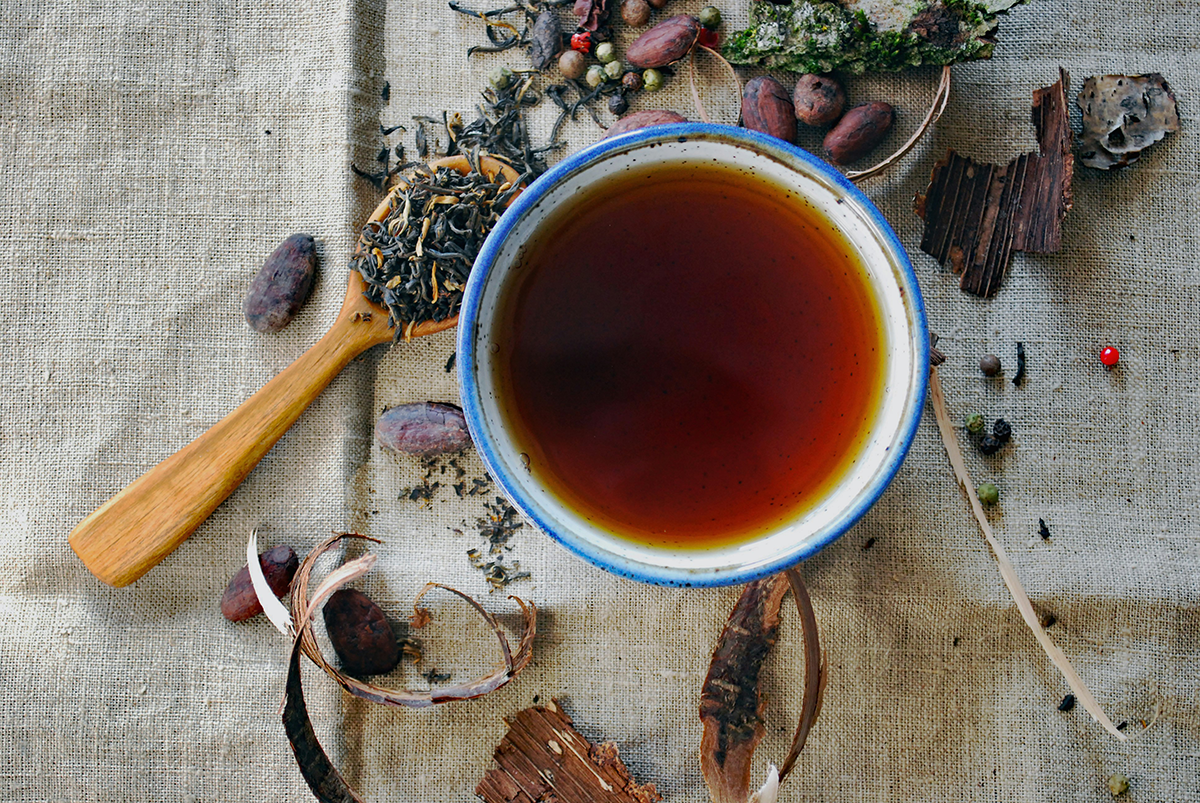
Bilberry is an under-utilized herb in Western herbalism for dogs, and one I rely on regularly for many reasons, as you will see. I recently did a little Facebook info-series and promised a fuller monograph soon, so here we are. I welcome questions as always.
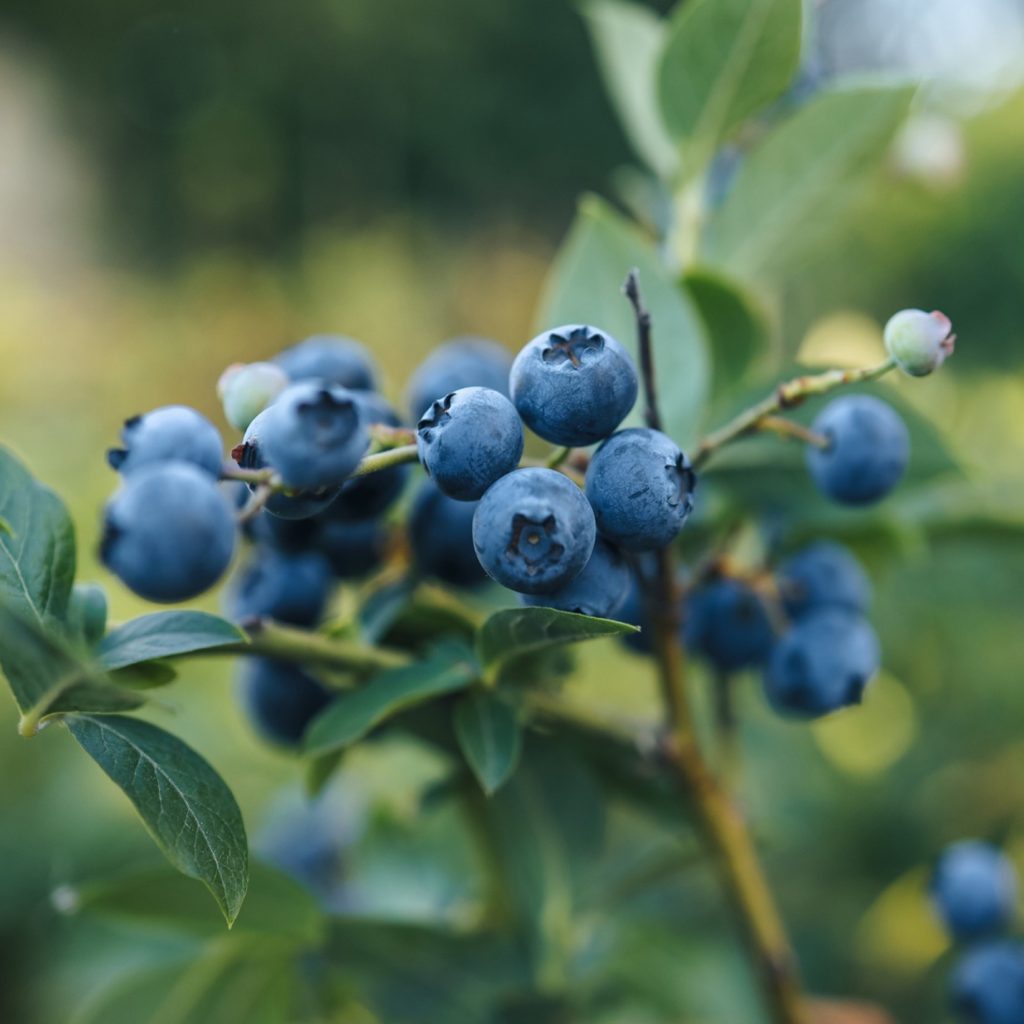
Name: Bilberry, Whortleberry (Vaccinium myrtillus)
Family : Ericaceae
Parts Used: Fruit, leaf
Actions: vasoprotective, antioxidant, anti-inflammatory, astringent, anticoagulant, hypoglycemic
Constituents: anthocyanins, quercetin, pectin, tannins
Energetics: cool, dry
About: The bilberry bush is native to northern areas in Europe, northern United States, and Canada. Both berries and leaves have been used as folk medicine, but the berry is much more popular today, with leaf used infrequently if at all.
Applications: the berry is used to support eye health – aids in prevention of cataract, nuclear sclerosis , retinal atrophy and macular degeneration. …also useful for colitis/dysentery, sore throat, bilberry leaf has been studied for their potential to lower blood glucose levels and improve insulin sensitivity. Due to the ability to reduce capillary fragility I include bilberry in protocols for hemangiosarcoma or other bleeding cancer or condition.
Contraindications:Berry is AHPA class one (very safe) but high doses may be contraindicated with hemorrhagic disorders. Leaf has no AHPA classification as there has not been adequate research to classify safety.
Dose: The standard dose for decoction -berries – simmered in water about half an hour to one hour, measured at 25 grams added to one cup (8 ounces water) is ¼ to ½ cup per 20 pounds BW (body weight). If this is accepted in food it can be administered longterm, or a standardized extract can be added. Dose for the extract (powdered, and standardized to 25% anthocyanosides) is 2- 4 mgs per kg BW, preferably divided into 2-3 times daily.
I use bilberry at home for myself and my partner, who are both in our sixties, as well as any dog over the age of 7 (I have a large breed). Smaller dogs can start later, as bilberry is fundamentally a potent eye protector and works to prevent age-related conditions such as nuclear sclerosis. Of course, with early onset conditions bilberry can be used right away, too; which other herbs I might pair with or include in formula depend entirely on the nature of the disease, the dog herself, nutritional status and more. (Note that Vitamins A and C are important to check right away, in the diet).. My primary use of bilberry is with ocular disease and circulatory problems, and preventively.
The very high anthocyanin content means bilberry is beneficial for the entire system, in much the same way blueberries are, as a potent antioxidant. I purchase mine dried from a number of companies in Canada, and the US has many great options as well – I for one used Mountain Rose for decades. Bilberry is great alone, as hot tea, but even better blended with a few other berries and herbs that boost health overall. Here are two of my favorite tea blends, which can be used for dogs as well, providing there are no contraindications for any individual.
Bilberry Rose tea
I love this tea for humans, and make a stronger decoction for dogs who need some flavonoid boosts,
- 2 Parts Bilberries
- 1 Part Rose hips
- 1 part Marshmallow root, shredded
- ½ part Ceylon cinnamon chips Optional but tasty – ½ part shredded licorice, leave out if you or your dog has high blood pressure. Licorice is strongly flavoured and potently anti-inflammatory
Mix the herbs together well and then use two rounded teaspoons in 8 ounces boiling water; cover and steep 5-7 minutes for casual sipping, up to ½ an hour for more medicinal use.
Bilberry Elder
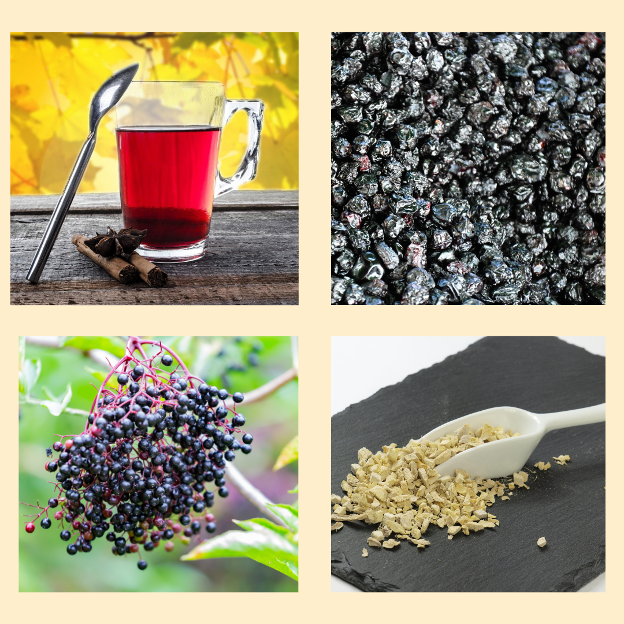
When some gentle immune system support is indicated, Bilberry combines beautifully with ginger, elderberry and a little licorice to ease inflammation. Marshmallow root offsets the dryness of berries, and ginger warms it up and boosts anti-inflammatory action. If an adaptogen is desirable, Eleuthero, American ginseng, Astragalus and Codonopsis all combine well (just one, which involves a whole process of determining what you need most) with this brew.
- 2 parts Bilberry
- 1 part Elderberry
- 1 part Eletheuro, Codonopsis, Astragalus or American Ginseng (optional, adaptogens are very individualized herbs for us and our dogs. If not sure which to use, make it astragalus.)
- 1 part Marshmallow root
- ½ part dried ginger
Mix well and use two – three teaspoons per 8 ounces of boiling water – covered, and steeped between 15 and 30 minutes.
Dose for Dogs
¼ cup per 20 lbs BW, divided into 2 -3 times daily.
Takeaway: Many older dogs develop eye problems, most often nuclear but also cataracts and macular degeneration, and bilberry is a powerful ally in prevention of all. Seniors can benefit from a number of herbs such as astragalus, that are not currently popular in holistic circles, and bilberry is definitely one of these under-utilized plants. The taste may be off-putting for some dogs, so a standardized extract may be easier to administer. I prefer to use a tea such as one of the above, preventively, but when signs of eye disease are present the higher dose is recommended. You can mix the powder from capsules into a favorite treat, such as tripe, a little cooked beef heart, cooked eggs, or even a Tbsp of high-quality wet food.
Another under-utilized Western herb I for one would never be without.