

My Patients
As an herbalist I am confronted, on a daily basis, with dogs (and cats, and humans) who present with multiple health issues including cancer, often that have been treated medically but are either not responding, or responding but with heavy fallout, as in side effects. Dog owners, who make up the bulk of my clientele, are willing to do anything they can to help their beloved companion live longer and with good quality of life, and often, that’s exactly what herbal support can do.
Diet Comes First
That said, diet comes first, most of the time, and while a well formulated herbal protocol can still help a dog on a less than ideal diet, there are some conditions where diet is really the first and foremost aspect of care that needs to be addressed. Bladder stones, renal failure, food intolerance, IBD, and liver disease all come quickly to mind.
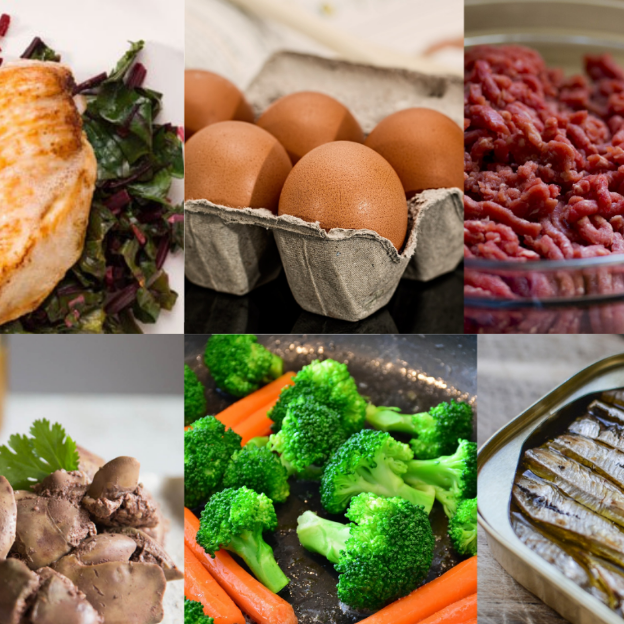
A healthy, properly formulated diet is always foundational, whether with cancer or any other disease (or preventively).
Cancer …
Cancer, however, is a whole other situation. It’s certainly true that diet is incredibly important, in many cases what we remove as much as what we add back in. But not all cancers suggest the same type of diet, for example, many dogs cannot actually tolerate what we generally think of as optimal (high fat, moderate protein, low carb). While most oncologists recommend a cooked diet, and I tend to agree, raw is my preference with most MCT cases (Mast Cell Tumor).
And there is always the owner whose finances will simply not allow the expense of a fully homemade diet. We look to nutrition first with cancer, but when it cannot be optimized, herbs are still there – and there is vastly more to herbal support for cancer than is ever, from what I have seen, popularized.
The Conundrum
Many owners are taken aback when I start the consult off by assuring them there is much more to herbal support for cancer than turmeric, Omega3’s, mushrooms (especially turkey tail) and probiotics. Many of the herbs I have them add, they have never heard of, and when they google them all, as everybody does, they find mixed information, written by non-herbalists, conservative vets and alarmists who believe that anything they don’t know is dangerous.
The Solution
But as a clinical herbalist I would NEVER have anyone add an herb I did not know inside out, how to prepare and dose it, how it interacts with other herbs or medicines, and if there are any contraindications, such as high oxalate herbs with a dog who has bladder stones.
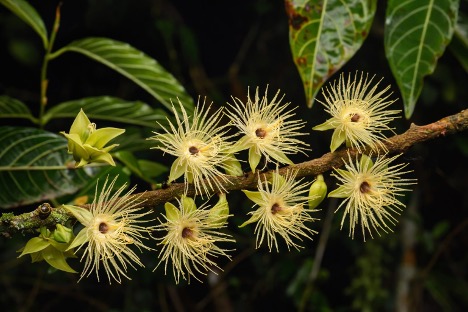
Cat’s claw (Uncaria tomentosa) is an herb widely used in clinical practice, but not one of the popular varieties sold on most “holistic” dog sites.
When you purchase a TCM formula from your vet, you will see many herbs listed on the label; in Western Herbalism as I practice, it is your own herbalist who develops that formula, using modern research, traditional knowledge, classic pairings and much more. This involves having each client purchase individual herbs from recommended sources and put the herbs together at home; just like cooking the food is a bit daunting at first but becomes second nature with practice, it’s really very easy to mix herbs and then make a medicinal-strength tea(infusion).
I do also utilize glycerites and standardized extracts you can purchase online – and lastly, I can recommend formulas already to use, from well-known and skilled herbalists such as Greg Tilford (Animal Essentials) or Janice Huntington (Pet Wellbeing). That said, more often than not, the ideal formula is the one tailored to YOUR specific dog and formulated using a wide range of herbs than we see commercially.
I see many owners who are using a commercial mushroom product, adding “golden paste” to the food, and reducing dietary carb, while all three are not what I would have selected (type of mushrooms too stimulating, turmeric too warming for a dog with mast cell tumour, absence of carb depriving the dog of essential fiber and plant flavonoids). Even when these popular products are appropriate, there is so much more an experienced herbalist can offer.
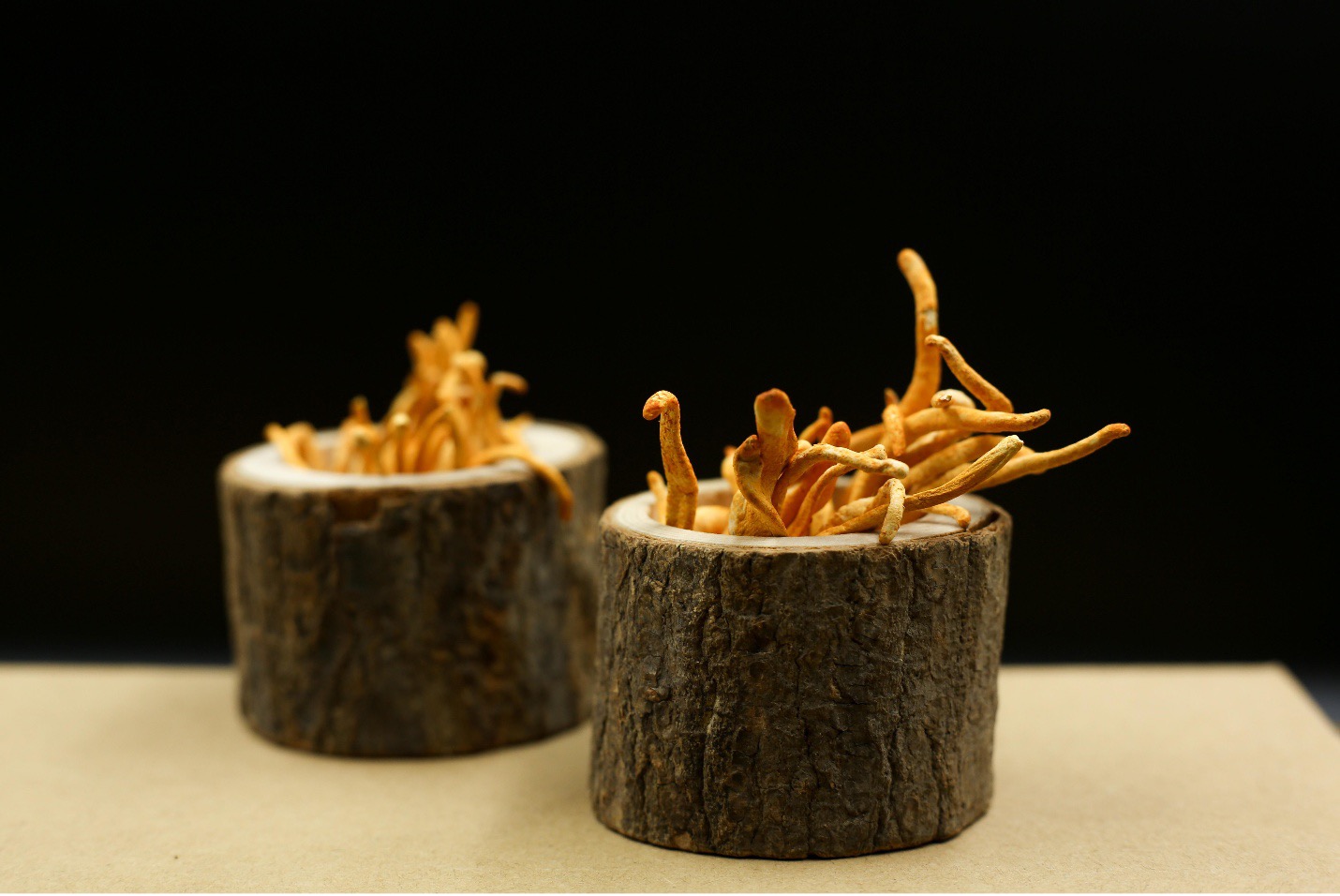
Thanks to some solid, recent research, Turkey tail mushroom has become THE go-to for dogs, either with cancer or in preventive protocols. For me, it’s one of many and not at all the only choice; Maitake, Reishi, and (pictured above) Cordyceps sinensis are all incredibly useful and may be used together with Turkey tail or in some cases, in place of.
Every Dog is Unique
As I’ve been saying since I started this work in 2001, your dog is unique, he or she will have similarities to other dogs, and whatever illness he has will as well. But there are so many places in which your dog is unique – energetics, for one – is he a warm type, or tending to coldness? Jumpy and reactive or easy going and relaxed? Does his skin get dry and flaky or tend more to oiliness?
And the type, stage/grade of cancer is not going to be the same for every dog – the immune system is but one part of the dog and the disease. When we factor in the diet and the type of veterinary interventions used, it’s easy to see that what applies to one dog may not for another and may even be outright wrong.
So rather than think of “cancer diets” and supplements, I prefer to evaluate your whole dog, develop a diet that works for her as a whole, as well as taking the metabolic changes of cancer into consideration, and then formulate a sophisticated herbal protocol using herbs you aren’t always going to see on popular websites.
Remember that beyond the immune system, with cancer we are looking for herbs that inhibit metastases, that facilitate cancer cell death, that support the cardiovascular system, liver, digestive tract and kidney, support pathways of elimination, reduce oxidative stress, inhibit abnormal signal transduction and angiogenesis.
I utilize biomarkers (such as blood and hormone panels, and in the case of cancer, biomarkers specific to the tumor) as well as an extensive Intake form, and communication with each client, to provide information for formulating protocols specific to your dog.
Immune system regulation is important, but also, the tip of the iceberg.
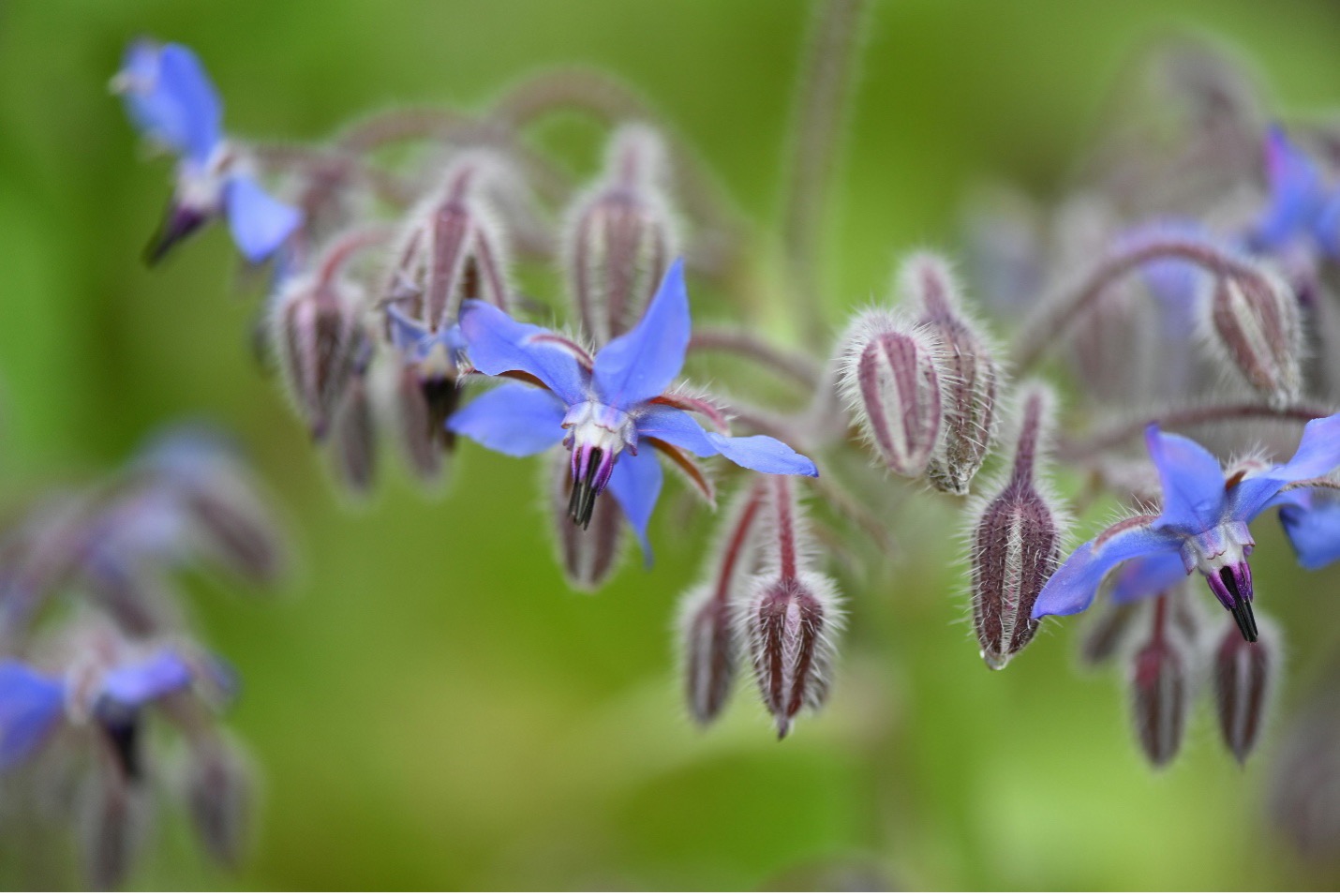
GLA (gamma linolenic acid) from Borage (Borago officinalis) is an important anti-inflammatory fatty acid, often overlooked in generic anti-cancer protocols.
We want to address it all in the consultation, and as an experienced clinician I will likely be using herbs you may never have heard of, not just recommending popular products. This is true for many conditions but never more dramatically than with cancer.
Send me an email if you’d like to discuss your dog with cancer, or of course, any condition at all. We can look at therapeutic diets, herbal protocols, or both.
It’s always my pleasure to help
4 Comments
my dog AYA has been diagnosed with osteosarcoma .2 months ago ,boebul mix breed- 40kg weight ,age 10 . have got HER ON RAW MEAT AND VEG brocolli-bean-carrots steeped in bone broth -giving her curcumen tablests- do mix in heabal tea in her drinking wate – comfrey – burdock . added to this once a day flax seed oli mixed with cottage cheese and some flaxseed kernnels , meats are beef liver- shicken liver hearts and neck . as well as tumeric with a little black pepper .am trying to follow the recipe in the book titled 90 DAY MIRICLE CANCER CURE FOR DOGS i recently received .any advice you can offer would be much appreciated .
Hi Alfredo,
Nice to meet you but sorry to hear your dog is facing cancer. It sounds like you are doing everything you can – and the good news is, there is more you can do. I would recommend targeted nutrition and herbs – a set of recipes that are designed not only to manage the issues involved in cancer metabolism, but support your dog overall, as the unique individual he is. Additionally, herbs are most powerful when formulated for the indivdual – I would, for example, support the use of burdock as part of your alteratives (herbs that are used as part of cancer support) but comfrey is high in a type of alkaloid that can cause liver damage in some individuals, so I would stop it at once. The Budwig protocol – cottage cheese and flax – is not scientifically sound, and in particular I prefer to see fish oil used instead of flax. Lastly – it’s important not to overfeed liver and other organs, with cancer, as they are so rich in iron and copper, two nutrients we need to restrict. In short, we can make some powerful improvements and I am most happy to help. You can book the service on my site, and we can get started this week; if you have more questions, please feel free to ask here or at catlane@thepossiblecanine.com.
I absolutely enjoyed your article. I’m very interested in a consult. My 8 yr old intact male Great Pyrenees was diagnosed with Transitioning Cell Carcinoma- Prostate.
Hi Michelle, SO nice to hear you enjoyed the new article! It’s been a while since I wrote anything on cancer, so I thought I should update a bit – planning to add a few more as time permits, over the coming year. Now – your Pyr. I am so sorry you’re dealing with cancer, and I’d be happy to help of course. If you book on the site – I recommend the Diet for Health Issues Plan, it gives us by far the most time to develop recipes and herbal support, and then monitor response/adjust as need be – I can start any day this coming week. The site issues your Intake Form and Welcome Notes, and I contact you via email to confirm the date, once you book. And of course, feel free to ask anything you need here, too. I need a lot of detail from you, but the Intake form covers that.
I look forward to hearing from you, Cat