
Zinc & Your Dog

Zinc is a nutrient that home feeders need to be aware of
Zinc is a nutrient that is often low in homemade diets, raw or cooked. And it’s one every home feeder should be aware of, because it plays such an important role in the body. Variety and rotating foods will not guarantee that your dog is receiving the amount he needs, to be healthy. Zinc plays a critical role in immune function, as many know, but is also essential for good skin and coat, cellular repair, and wound healing. Zinc plays a role in the activation of enzymes that fight inflammation, too. You can see why it’s important the diet supply enough, not every other week or so, but consistently! So, let’s have fun with this and see, why low zinc is so common and how to fix it.
Check your zinc levels
There are several reasons why zinc may be low in a homemade diet that has not been audited. First, is the simple fact that guesswork is never reliable, and that is true even for those of us who know the content of foods, by heart. Ask yourself, how much zinc is in a chicken and egg-based recipe? And – how much does your own dog require? If you can’t answer easily – chicken diets are notoriously low, and your dog needs (Metabolic Weight x 2.0) then you need to learn the simple method of calculation, purchase a balanced recipe from a reputable site like pet diets, or best of all, work with a nutritionist who can formulate a recipe not just balanced in nutrients, but that is geared to the particularities of your unique individual.
One major reason people don’t feed enough zinc is that the total amount of food they use is low, and that will mean ALL the essential nutrients are too. Some commercial foods use a form of zinc – oxide – that is not well absorbed, too, so feeding 2/3 or less than the recommended amount, will certainly mean total zinc intake is less than ideal.

Use NRC Values
If you’re feeding a DIY diet, and not using the NRC values, you can make a start on this right now…. although it’s a mistake to consider nutrients in isolation, it’s still better to work towards meeting what you can one at a time, as opposed to just using “fresh, rotated ingredients”. Today, start by taking your dog’s weight in kgs to the power of 0.75. This is easily done by setting your computer calculator to scientific and using the key with x^y ( his does the “to the power of” calculation)…weight in kgs to this power gives you MW or Metabolic Weight, which you can use for every nutrient now, including total protein, amino acids, fats and fatty acids, vitamins and minerals.
The value for Recommended Allowance (zinc) is 2.0 mgs, so the MW x 2.0 gives you the daily amount to strive for. As a nutritionist I might round this value up, or even boost it considerably, depending on the entire diet, nutritional history, fiber intake and more. But for the home feeder just starting out, get used to a simple goal to reach for daily, and you will soon see how very easy it is to get started assessing the diet.
Example:
My dog weighs 100 pounds, or 45.3 kgs.
His MW is, therefore, 17.46.
Multiplied by 2.0, his daily requirement for zinc is 35 mgs.
That’s harder to provide than you might think! He eats a lot of food, has a high calorie intake, but with some recipes I still need to supplement. And here is why – let’s look at the actual content of foods.
Often online you see lists of foods that are “Good sources of” such and such a nutrient, but unless you know actually how much they provide, it’s guesswork and often, you fall short (or in some cases, overdo it).
Here are some commonly used foods – and their actual zinc content.
- Chicken breast, 100 grams – 1 mg
- Chicken leg, 100 grams – 2.3 mgs
- Chicken liver 1 ounce – 1.1 mgs
- Turkey breast, 100 grams – 1.7 mgs
- Turkey leg, 100 grams – 4.1 mgs
- Beef heart, 100 grams – 1.7 mgs
- Beef liver, 1 ounce – 1.5 mgs
- Ground beef, 5% fat, 100 grams – 6.45

Here he is, probably wondering if his lunch has enough zinc?
For my dog, or any dog who can eat A) a high caloric intake B ) foods including ground beef, turkey and organs (not all dogs can) and C) tolerate high protein and fat, the goal I have of 35 mgs can be reached in a recipe using turkey, ground beef, livers. But many dogs require lower calories, don’t do well with beef, or have a health condition that means we need to limit nutrients like phosphorus. These dogs will almost always come up short in daily zinc, and they need either an oyster added, or – yes, you read it right – a supplement.
A daily deficit of only 5 mgs, again using a 100 pound example where we need 35 and we have a good amount, but still only 30 – means in a week, we are down by 35 mgs – like we missed a whole day.
And if we have 25 mgs daily, we are now down to175 mgs per week, when we need 245. This is entering the zone where we can see consequences, and any less, assuredly is suboptimal and needs to be addressed.
What About Oysters?
Every day I see home made diets that utilize a great variety of fresh wholesome foods, and provide *some* zinc, but not enough. A word about oysters – one ounce of canned oysters provides 22.7 mgs of zinc, and there are variables with the type of oyster, too – which can mean that the diet ends up very high, or lower than you expected. This in itself may not be a problem, in terms of toxicity, but it can throw the mineral balance off and overtime, issues related to other nutrients develop (yes, the now-vilified word ‘balance’ really is a thing, and an important one at that).
So be careful with the oyster trend – if you plan to use one a day or similar, you should know how much is in the recipe before you add it – how much your dog really needs, and how much is in the specific oyster you feed.
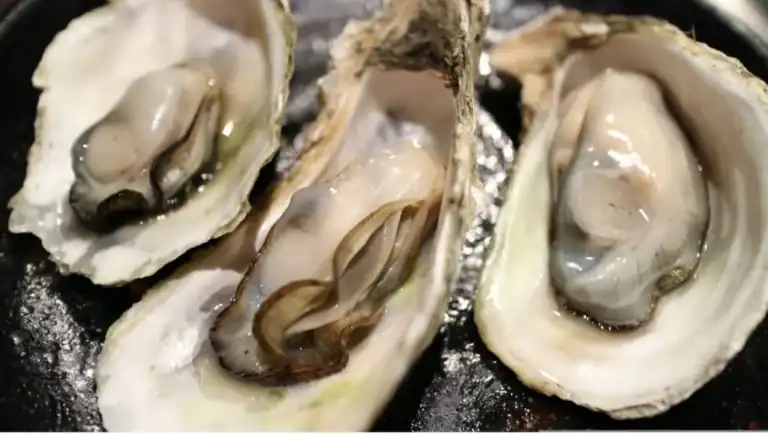
Eastern and Pacific harvested oysters contain significantly different amounts of zinc.
This may seem like a lot of information, but there’s much more to learn – the importance of copper:zinc ratio, various forms of zinc supplements, factors that affect absorption – my courses, Newsletter and pdfs help put it all together. And if you feel like a consultation is in order, send me an email anytime at catlane@thepossiblecanine.com
Nutrition is fun, easy and above all, helps give all our dogs the best lives possible.