

Hello Readers, and Welcome to another Instalment of (I really must find a catchier title) How Very Important it is to Use Basic Nutrition to Formulate Recipes.  I hope many have seen the pdf addition from very recently, if not you can read it here: https://thepossiblecanine.com/download/the-importance-of-nutrients-in-a-home-made-recipe/
The blog entry today is meant to complement that pdf and continue to stand up to the accusation that providing dog owners with some detailed information about home feeding is somehow tantamount to trying to frighten them.

That’s an awful accusation and frankly, as a nutritionist who has seen myriad cases of home-fed dogs who were damaged by unbalanced diets, I feel bullied by it.
What I am offering does indeed involve “fear” – but only insofar as I have some simple and accessible ways to avoid having to be frightened. Or put another way, when I ask people why they don’t feed homemade food to their dogs, the answer is almost always “because I’m not sure- I’m afraid – I’d be doing it right”. And my replies are always, always aimed at trying to assuage that fear. And, to some extent, that concern (softer and more reasonable word) is justified, because what passes for “balanced” homemade diet is often, just a bunch of attractive ingredients thrown together and used in place of kibble. Food added as percentages of volume, not calculated by nutrient content, which is the much more precise way to go.
Recipes that are low to even deficient in vitally essential nutrients are EVERYWHERE. I went into the problems associated with chronic low intake in that other pdf, mentioned above. But with all the resources available today to help dog owners make balanced homemade dog food, worrying about it is something we can avoid.
The Accusation
Today I must address this accusation, that people like me (there are many others, I’m just the loudest right now) who encourage home feeders to learn the basics of Canine Dietary Formulation, are using “scare tactics” to frighten people into sticking with commercial diet. Nothing could be further from the truth.
Let me try to reframe the discussion, so my point is not as triggering as it seems to be right now. Let’s talk about our own nutrition for a moment.
Something I hear every day, when trying to discuss the importance of auditing any homemade diet to ensure it covers the dog’s RAs (Recommended Allowances) is that it seems silly and unnecessary to do this for dogs when we don’t do it for ourselves.
My stock answer is, well given the state of human nutrition in 2026, maybe we should be doing the same? After reading how many North Americans suffer from various types of malnutrition, and consequences ranging from dry skin and indigestion to heart palpitations, reduced brain function, and bone loss…yes, I do think we humans would do well to take nutrition much more seriously.
That said, there is the core aspect I don’t hear many talk about- the fact that all people like myself are proposing is that home feeders pay attention to some very basic principles of good diet, not at all that people need to start taking formal degrees or micromanaging every bit of food a dog consumes, every day.

What Do We Know?
So let’s look at what most humans know about our own diets, for starters. If I asked the following questions, how many would you get right?
-
- Vitamin A is related to healthy eyes, among several other critically important functions, and can be obtained through carrots or other veggies, or from fish liver oil and beef liver. What else is it important for?
-
- Vitamin D can be obtained through an hour of sunlight per day over most of the body, or it can be consumed in supplements, or via fish eaten regularly. How much should we aim for, daily?
-
- Total lack of dietary Vitamin C causes a potentially fatal disease called scurvy. Taking in just enough to prevent it, is still very low and may leave you with low immune function, amongst several other issues. Mega-dosing C was once popular and has been frowned on for many years now. How much is in a glass of orange juice, and is that enough to meet the RA?
-
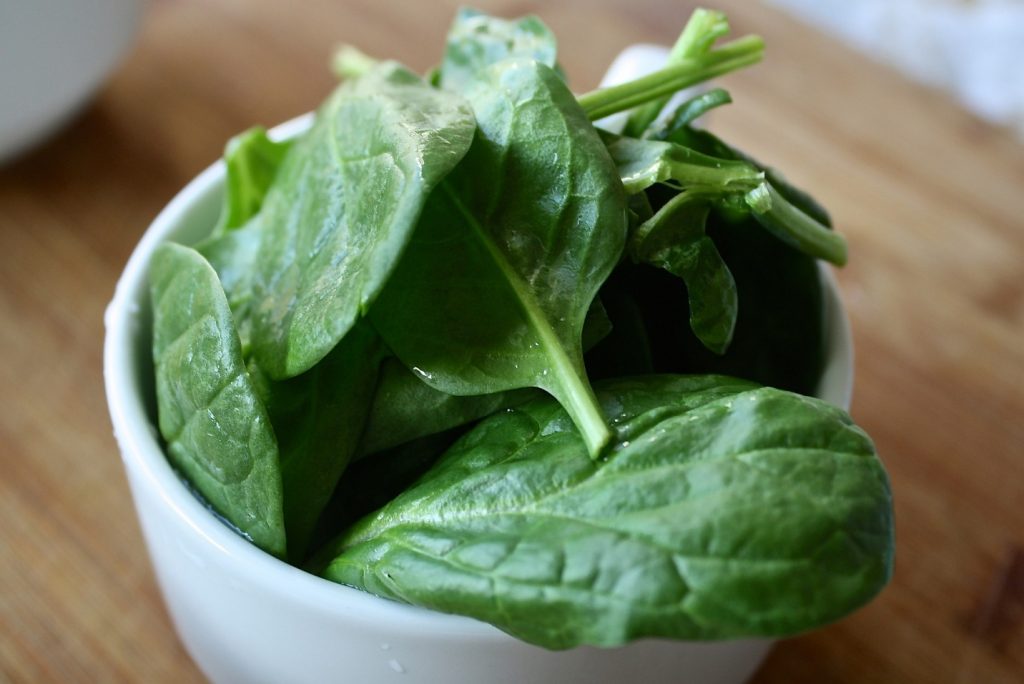
- Iron is not as well absorbed by the body when it is taken in plant forms such as kidney beans or spinach. Adding some Vitamin C rich foods with plant- based (or non-heme) iron can help absorption. Heme iron from animals is essential, and lack of it will cause anemia. But can we humans get too much?
-
- Vitamin B12 is found only in animal foods, so vegans need to take a supplement. Low levels contribute to fatigue and anxiety, as well as paleness and mouth sores. True or false?
-
- There are different types of fat, some are more beneficial than others. (I’d leave it there, because medical opinion is divided, but I would hope most folks know that fat is a tricky one, and some fats are good (olive oil, fatty fish) while others are not (deep fried anything, excess corn and canola oil). Humans, like dogs, require specific fatty acids, not a total intake amount. But let’s just ask this – what’s the difference between saturated and unsaturated fats?
-
- Excessive simple carbohydrates such as sugar, pasta, white rice or bread, are empty calories and don’t contribute to health in the same way the complex foods – whole grain bread, cooked quinoa or brown rice, starchy veg like sweet potatoes, can. Optimal Amount and type of carbs varies greatly from one individual to the next, there is no stated requirement. As omnivores, we can agree that some carb is good in the diet, although it varies greatly from one person to the next. So, a simple question on this complex topic today – how much fiber overall is recommended for colonic health in humans? Extra points if you know what type to use, too.
-
- Calcium is essential for healthy bones, but too much, especially from supplements, can collect in the arteries and contribute to the development of atherosclerosis and heart disease. How much calcium do you need, in your age group, and are you able to meet that goal daily with food alone?
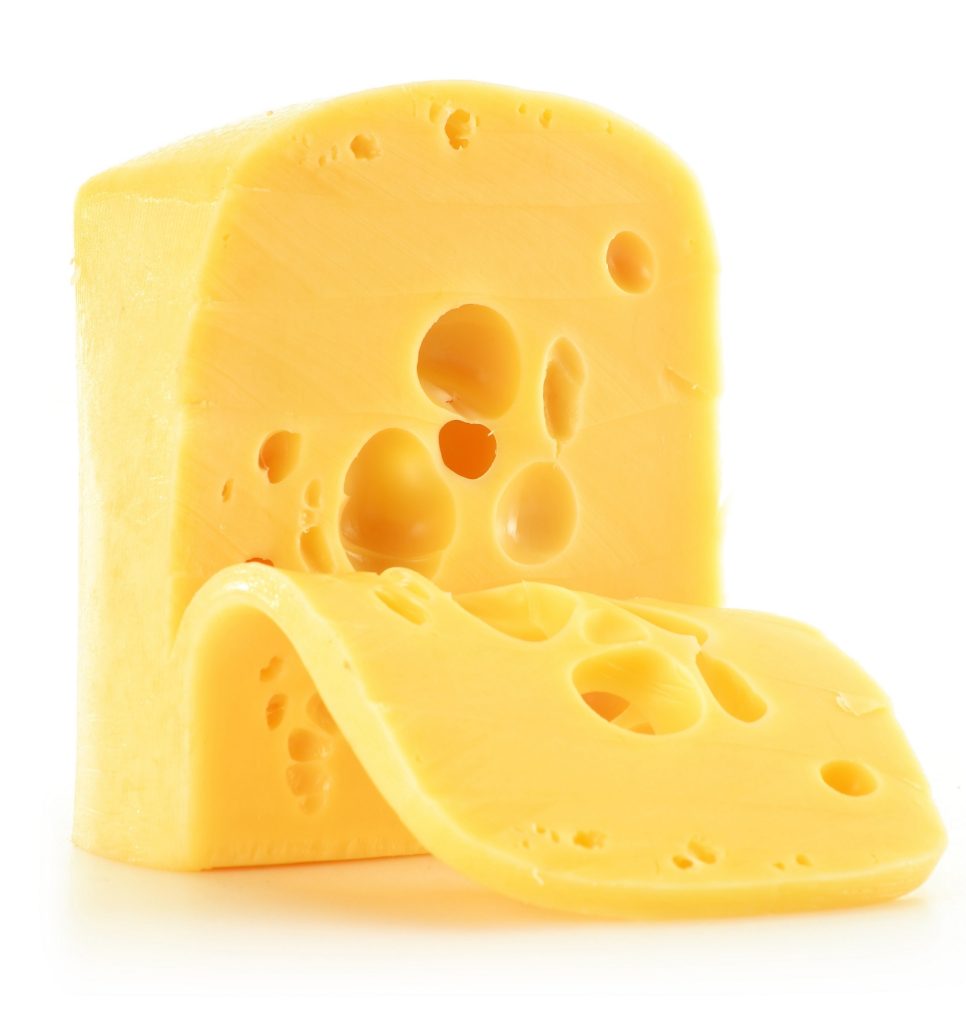
Ok – so eight statements/questions – not rocket science, not micromanagement and certainly not meant to scare anyone, but just eight statements about our own diet that most people would know, and those who don’t really should. Agreed? I would guess that most people know at least half of these, and many know them all. Understanding these basic concepts means we can select what we eat knowing, whether it is a healthy choice or not so much. We know to avoid excessive simple carbs/sugars, excessive saturated fat, and make sure we get sunlight, some calcium rich foods, plenty of veggies and fruits…we know all this. But what we often don’t know is, how much of each nutrient is a bare minimum, and how much is in the actual foods we consume? So, a post-menopausal woman who needs 1200 mgs of calcium may not know that the 12 ounces of milk and 6 ounces of yogurt she consumers daily s only providing about 750 mgs. Since this amount of dairy *seems* like a lot, she doesn’t bother trying to get 500 mgs more, which over time can contribute to osteoporosis.
Same lady may have heard that kale is a “rich source” so she has a half cup with dinner – unaware that amount has only about 50 mgs, and not all of it is bioavailable. Spinach is slightly higher at about 90 mgs pr same amount, but is also very high in oxalate, which kale is not. In either case, greens are not adding a lot of usable calcium to her base of 750 mgs.
Likewise, seeds have a bit of calcium – sesame seeds are often suggested as a way to boost calcium, but ¼ cup only adds 40 mgs, and again, especially with dogs, not all of that is absorbed. That same ¼ cup adds 200 calories and a whopping 18 grams of fat.
We Can Benefit from Knowing Just A Bit More
This is where humans can benefit so much from knowing a bit more about diet, more than “we shouldn’t eat so much sugar, and everyone needs Vitamin C “level”. Just knowing that a food is a “rich source” of something doesn’t mean that we can or should eat enough of it to meet our needs. And this is so very true for our dogs as well. They benefit from fresh ingredients, yes, from limited (not absent) carbs, and from avoiding highly processed food in their diet. But there is more to home feeding than a haphazard set of principles, and belief in unproven theories that may actually prove harmful down the line.

All dogs need a balanced diet that covers, over a period of time ( one day for B vitamins, a week for fat solubles…) but with puppies it is just absolutely essential not to try a DIY fresh food diet without a solid background in nutrition and formulation.
Cooked Recipes on Social Media
I’ve been reaching out about this a lot lately, since the number of Cooked Recipes I see on social media has skyrocketed, and 99% of them are anywhere from seriously unbalanced to fairly close but lacking in a few essentials. The groups that offer these recipes have very high memberships and every recipe that is basically a protein, a few veggies and some rice, is gleefully met with gratitude – any comments critiquing it will be deleted or accused of “trolling” and yes, the old nonsense about “fear-mongering”. I’ve provided a few tools for the home feeder, here on this site, including a couple of pdfs, my eBook and various articles: I share a fair bit on social media as well, all in the hope of steering newcomers to canine nutrition in the right direction. I’m working on several other projects, so this may be all on the topic from me for a while, but it needed to be said. Nutrition knowledge is nothing to be afraid of, but lack of it sure can be.
Feed fresh, but balanced, too. More resources on my Facebook Group Canine Nutrition and Natural Health. Ask me anything, anytime – here or on the page or group.